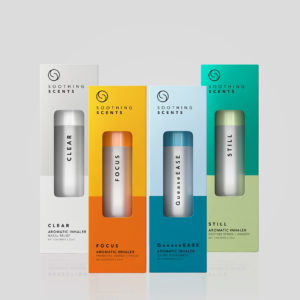

QueaseEASE  Essential Oil - Information with References

Essential oils are complex mixtures of naturally occurring compounds that exist in some plants’ flowers, leaves, wood, bark, roots, or seeds. The active constituents of essential oils are composed of hydrocarbons which can be grouped according to their molecular structure into terpenes, esters, alcohols, aldehydes, ketones, and phenols. The oils are extracted from the plants using distillation and cold-pressing, methods which insure the quality, purity and wholeness of the essential oil (EO). Even though there will always be a natural variation in essential oils, pure, correctly processed essential oils contain all the components that are important for the overall therapeutic effect.

Aromatherapy is the use of essential oils for therapeutic or medical purposes (Buckle, 2003). The oils are volatile extracts obtained through steam distillation of aromatic plants that are not soluble in water. Essential oils differ from fragrances, which are synthetic or extracted through the use of solvents. Each EO is a complicated chemical mixture containing up to 100-300 different components. The amount of each depends on where the plant was grown, climate, and how the oil was extracted. Because chemistries of plants vary with environment and geographic locations, gas liquid chromatography is used to compare to a standard and control for concentration. Although the exact pharmacokinetics is unknown, inhaled EOs are thought to penetrate the nasal airways, lungs, and limbic system. In an early study, Jori (1969) found inhaled molecules of EO had a measurable effect at very low concentrations (cited in Buckle, 2003)

The different molecular components of essential oils are absorbed by the body in four ways: 1) topical application, 2) internal application, 3) oral ingestion, and 4) inhalation. The fastest, safest and simplest method is inhalation, which we have chosen for QueaseEase. In one easy step, simply by smelling the essential oil, a signal is sent via EO molecules up the nose to the olfactory bulb, where the chemical and neurotransmitter messengers are dispensed into the limbic system of the brain. From there, they are forwarded to areas of the central nervous system that mediate emotional, hormonal, metabolic, and stress responses throughout the body. Nausea is affected by each of these systems.

Smell is a chemical reaction, with receptors in the brain responding to chemicals in the essential oil (Buckle, 2003). Olfactory receptors are very sensitive in picking up the smell and conducting it to the olfactory center of the brain, which connects to the limbic system, composed of the amygdale, hippocampus, hypothalamus, anterior thalamus, and septum. The limbic system plays an essential role in learning and memory, along with interpretation and expression of emotional responses. In response to an essential oil, the hippocampus and amygdala analyze a smell and interpret its memory before sending the signal on to the hypothalamus. The hypothalamus relays the sense to one of four pathways, depending on its interpretation of the odor: thalamus, which secretes enkephalin, locus ceruleus to trigger noradrenaline, pituitary gland to trigger hormonal responses, including adrenocorticotrophic hormone (ACTH), or to the raphe nucleus to release serotonin. Learned memory is the reaction to a smell linked through experience. When the odor is smelled again, the original emotion is triggered.

Essential oils which have been described as helpful for the relief of nausea include Peppermint, Ginger, Spearmint. (Buckle, 2003; Battaglia, 1995; Schneubelt, 1998). The four essential oils used in QueaseEase are Peppermint (Mentha Piperita), Ginger (Zingiber Officinale), Spearmint (Mentha Spicata), and Lavender (Lavandula Angustifolia). Ginger, spearmint, and peppermint are essential oils that have documented efficacy in reducing nausea and vomiting. Lavender is added as an anxiolytic and antispasmodic, both of which contribute to perception of nausea. Although there is no evidence for effectiveness of the collective combination of these EO’s, individual studies demonstrate efficacy for both inhalant and botanical forms of the essential oils.


Ginger (Zingiber Officinale)
is a traditional remedy for nausea. This EO contains the molecule zingiberene, believed to play a role in its anti-inflammatory and anti-emetic properties. The botanical form of ginger has been shown to be effective for n/v associated with pregnancy (Fischer-Rasmussen et al, 1991; Sripramote & Lekhyananda, 2003; Vutyavanich, Kraisarin, Ruangsri, 2001; Willetts, Ekangaki, & Eden, 2003), motion sickness (Lien, Sun, Chen, Kim & Hasler, 2003), and for prevention of post-operative nausea and vomiting (PONV) with gynecological surgery (Pongrojpaw & Chiamchanya, 2003). Dosages of Zingiber Officinale ranged from a total daily dose of 1 to 2 grams taken in capsule form. Significant effects on nausea were consistent, although effects on vomiting were less reliable. One study found no effect of two different doses on PONV following laparoscopic surgery (Eberhart et al, 2003)

The mechanism of action of motion sickness is thought to be related to gastric dysrhythmias and elevation of plasma vasopressin, both which were assessed in a cross-over, double-blind, randomized placebo controlled study and ameliorated with 1 and 2 grams of oral ginger taken as a preventative before circular vection induced nausea (Lien, Sun, Chen, Kim, Hasler, Owyang, 2003). Ginger also prolonged the latency period before nausea onset and shortened the recovery time.

Portnoi (2003) and Vutyavanich & Kraisin (1997) determined ginger to be safe during pregnancy and without toxicity and adverse outcomes of the baby following childbirth. The formulation in these studies was ingestion of powdered or extract of ginger, rather than aromatherapy. If the ingested form of ginger is safe and lacks toxicity, the inhaled form has greater likelihood of safety, but the efficacy has not been determined. A drawback to ginger essential oil is its pungent smell. This is the reason Soothing Scents™ blends ginger with other effective anti-emetic essential oils to provide the most pleasing aroma in QueaseEase®.


Peppermint (Mentha Piperita)
has been a classic essential oil choice for the treatment of nausea for hundreds of years. There are studies showing its efficacy in reducing PONV (Tate, 1997), chemotherapy induced nausea (Fuguenik, 1998), and colonic spasms during colonoscopy (Asao et al, 2001; Leicester & Hunt, 1982) and after colostomy surgery (McKensie & Gallacher, 1989). Peppermint is believed to exert its antispasmodic influence on the gastric lining and colon through its alcohol compounds menthone and menthol.

In a small randomized, placebo controlled study of 18 women postoperative for gynecological surgery there was a statistically significant reduction in nausea and fewer anti-emetics and analgesics used in the group receiving peppermint EO compared to the control (no treatment) and the placebo (Tate, 1997). In contrast, Anderson and Gross (2004) determined that peppermint essential oil aromatherapy was no different than inhaling saline or alcohol gauze pads, although all three were effective at reducing post-operative nausea in 33 patients undergoing ambulatory surgery. The authors conclude that the beneficial effect may be due to the controlled breathing patterns 2 and 5 minutes after nausea is reported. The effects of controlled breathing could have been determined with a comparison no intervention control group (as we propose). A limitation of all of these studies is the small sample sizes, contributing to greater Type 1 errors as well as insufficient power to detect a difference.

Various mechanisms of actions may explain effectiveness of peppermint for nausea. Luteolin-7-O-rutinoside of Mentha Piperita demonstrated a potent inhibitory effect on histamine release in rats given 100 and 300 mg/kg orally (Inoue, Sugimoto, Masuda, Kamei, 2002). The authors conclude that this dose-related inhibition could reduce allergic rhinitis and gastrointestinal responses mediated by histamine, such as motion sickness. Whether or not Mentha Piperita works in other pathways of nausea has yet to be determined. Evidence that humans can detect olfactory stimuli while sleeping or under anesthesia was demonstrated in one test of 10 adults who experienced prolonged light sleep in response to peppermint EO, measured by EEG (Badia, et al 1990).


Spearmint (Mentha Spicata)
Mentha spicata has similar anti-emetic benefits as peppermint, but may prove effective for longer periods than peppermint (Buckle, 2003). There are no studies on its efficacy for nausea and vomiting, although spearmint contains the same alcohol molecule, menthol, as peppermint, and is often used to calm the stomach in after dinner mints and teas. Although one study found nephrotoxic changes in 48 male Wistar albino rats, the doses of mentha spicata tea were of 20g/L and 40 g/L, ingested daily for a month (Akdogan, Kilinc, Oncu, Karaoz, Delibas, 2003.) No evidence of side effects of inhalation therapy with spearmint has been documented. Our blend has less than the “dose” in a handful of mints and is not ingested.


Lavender (Lavadula angustifolia) is purported to have sedative effects when inhaled in humans and animals (Lis-Balchin, & Hart, 1999), along with anxiolytic, anticonvulsive, motor inhibitory, and spasmolytic effects in animals (Block, Gyllenhaal, & Mead, 2004; Buchbauer, Jirovetz, et al 1993). Inhalation of lavender oil vapors in mice produced a serum level comparable to that of an intravenous injection. Absorption into the blood stream was rapid via the nasal and lung mucosa and very low levels were required to produce a sedative effect (Buchbauer, Jirovetz et al, 1991). In clinical studies, inhalation of lavender demonstrated greater improvements in mood and less anxiety in 77% of 122 patients in an intensive care unit (Dunn et al, 1995), increased sleep time and less restlessness during sleep in 4 patients (Hardy, Kirk-Smith, Stretch, 1995), and greater relaxation, less depression, and CNS depressant activity in 23 females with insomnia (Schultz, Hubner, & Ploch, 1997). In 13 healthy female subjects, lavender oil reduced alpha waves of parietal and posterior temporal regions after inhaling lavender oil (Masago et al, 2000). Buchbauer and colleagues (1991) found the sedative effects of lavender were closely dependent on the exposure time of the oil. Kiecolt-Glaser and colleagues (2004) are currently examining behavioral, autonomic, endocrine, and immune effects of Lavandula augustifolia to determine potential mechanism of action and efficacy of sedative effects.


Safety:
 Inhalation of EOs is considered very safe. The majority of side effects reported in the literature are chemical sensitivities in the form of skin irritation, with other adverse events due to excessive oral ingestion of the essential oils (Price & Price, 2002). Extended use of undiluted essential oils that are high in phenols or aldehydes may result in skin irritation (Maddocks-Jennings, 2004). Undiluted oils should not be administered orally or applied to the skin (Ernst, 2001). For use in a hospital setting, with sedated patients, the safest method is to provide the oils for inhalation use only, in an unbreakable hand held container that prohibits skin or mucous membrane contact. The Soothing Scents™ blend is provided in a specially designed container that prohibits skin contact or oral ingestion of the EO mixture. This safety feature provides the user with the confidence to experience a pure, natural product that can provide immediate relief of the discomfort of nausea.


Table 1. Characteristics of the Four Essential Oils used in QueasEase


Ginger

Peppermint

Spearmint

Lavender

Family name

Zingiberaceae

Lamiaceae

Lamiaceae

Lamiaceae

Species name

Zingiber officinale

Mentha x piperita; Hybrid (Mentha spicata & aquatica)

Mentha spicata

Lavandula

Countries of origin

Indonesia

Europe, Asia, N. America

N America, E. Europe, Spain, Italy, India, China

France, Switzerland, Mediterranean

Extraction

Steam distillation of freshly ground or dried rhizomes (1-3% EO)

Steam distillation from leaves and flowers (.3-2% EO)

Steam distillation of fresh or partly dried flowering tips (0.25-2% EO)

Steam distillation of dried or fresh flowering tops, aged for fragrance

Composition

Beta zingiberence 13-28%, ar. Curcumene 6-19%, farnesene tr-10%, beta-bisabolene 5-12%, beta sesquiphelandrene 7-12%, 1,8-cineole 2%

Menthone 15-30%,  l-menthol 28-40%, menthyl acetate 5-10%, 1,8 cineole 2-10%, traces other

Carvone 64-70%, limonene 13-16%, dihydro carvone 3-4%, beta-pinene 1-3%, cineol 2-5%
menthol 2-5%

Varies widely:
Cis-ocimene 5-6%, trans-ocimene 3-5%, linalool 30-35%, linalyl acetate 30-40%, 1-terpinen-4-ol 3-4%, lavandulyl acetate 3-4%

Safety Data

- No skin effects w/ 4% oil
- Irritant/allergen 
- Avoid eye contact
Toxicity: ORAL LD50 rats > 5 g/kg; Dermal LD50 rabbits > 5 g/kg
- FDA approved 
- Flash point 54C/130F
- Inhibits platelet aggregation and Thromboxane B2 (ingested form)

- No dermal testing, reports of delayed skin and systemic reactions
- Allergy (flushing, dermatitis,headache)
- Avoid eye contact 
- Toxicity: LD50 ORAL rats 4.4 g/kg; Dermal unknown
- FDA approved
- Flash point 65C/149F- 
-Toxicity infants
- Inhibit platelet aggregation

-No skin effects at 4%
- rare allergic reactions
- Avoid eye contact - Toxicity: Oral LD50 rats 5 g/kg; Dermal LD50 rabbits 5 g/kg
-FDA approved
- Flash point 58C/136F

-No skin effects at 16%
-Toxicity: Oral LD50 rats > 5g/kg; dermal LD50 rabbits>5g/kg
-Flash point 68C/154F
- “Extremely safe” 
- Eye irritation, skin irritation with repeated use
- Inhalation rapid in mice and equivalent to intravenous

Effects

Anti-emetic comparable to metoclopramide (Christian, 1995)
Anti-spasmodic
Warming, diaphoretic, anti-emetic (Chinese medicine)


Anti-emetic, anti-spasmodic, relieves congestion, skin anesthetic
Olfactory- brain stimulant, vigilance
Reduces fatigue
Antimicrobial

Anti-microbial
Mental stimulant
Anti-spasmodic (menstrual pain, coughs)
Milder than peppermint

Sedative, Reduced motility/agitation and anticonvulsant (inhalant) Increased decision time, no effect on motor time
Increased theta/alpha waves - mental relaxation, Inhibits glutamate binding in CNS membranes (mice)

EO = Essential Oil,  Referenced from Essential Oil Monographs (Watt, 2001)


I. Literature Cited

Akdogan, M., Kilinc, I., Oncu, M., Karaoz, E. & Delibas, N. (2003). Investigation of biochemical and histopathological effects of Mentha piperita L. and Mentha spicata L. on kidney tissue in rats. Hum-Exp-Toxicol, 22(4), 213-219.
Anderson, L. A., Gross, J.G. (2004). Aromatherapy with peppermint, isopropyl alcohol or placebo is equally effective in relieving postoperative nausea, Journal of PeriAnesthesia Nursing, 19, 29-35.
Asao T, Mochiki E, Suzuki H, Nakamura J, Hirayama I, Morinaga N, Shoji H, Shitara Y, Kuwano H (2001). An easy method for the intraluminal administration of peppermint oil before colonoscopy and its effectiveness in reducing colonic spasm. Gastrointestinal Endoscopy, 53(2) 172-7.
Badia P, Wesensten N, Lammers W, Culpepper J, & Harsh J. (1990). Responsiveness to olfactory stimuli presented in sleep. Physiol Behav, 48(1), 87-90.
Battaglia S: The complete guide to aromatherapy. Virginia, Queensland Australia, 1995, The Perfect Potion.
Block, K., Gyllenhaal, C., & Mead, M.N. (2004). Safety and efficacy of herbal sedatives in cancer care. Integrative Cancer Ther, 3(2),128 - 147.
Buchbauer, G. & Jirovetz, L., Jager, W, Dietrich, H., & Plank, C. (1991). Aromatherapy: evidence for sedative effects of the essential oil of Lavender after inhalation. Zeithschrift fur Naturforschung, 46(11-12) 1067-1072.
Buchbauer, G., Jirovetz, L., Jager, W., Plank, C., Dietrich, H. (1993). Fragrance compounds and essential oils with sedative effects upon inhalation. J Pharm Sci, 82, 660-664.
Buckle, J. (2003). Aromatherapy: Essential oils in Practice (2nd Ed). Arnold. Churchill Livingstone.
Dunn et al (1995) . J Adv Nurs 21(1), 34-40.
Eberhart, L.H., Mayer, R., Betz, O., Tsolakidis, S., Hilpert, W., Morin, A.M., Geldner, G., Wulf, H., Seeling, W. (2003). Anesth-Anal, 96(4), 995-998
Ernst, E. (2001) A primer of complementary and alternative medicine commonly used by cancer patients. Med J Aust, 174(2), 88-92.
Figuenick R. 1998. Essential oil of peppermint: A 3-part audit on nausea. Unpublished dissertation. RJ Buckle Associates, Hunter, NY.
Graham, P.H., Browne, L., Cox, H., & Graham, J. (2003). Inhalation aromatherapy during radiotherapy: results of a placebo-controlled double-blind randomized trial. J Clin Oncol, 21(12), 2372-2376.
Hardy, M., Kirk-Smith, M., & Stretch, D. (1995). Replacement of drug treatment for insomnia by ambient odor. Lancet, 346 (8976), 701.
Inoue, T., Sugimoto, Y., Masuda, H., Kamei, C. (2002). Antiallergic effect of flavonoid glycosides obtained from Mentha piperita L. Biol-Pharm-Bull, 25(2), 256-259.
Kiecolt-Glaser, J.K. (2004) Psychoneuroimmunology and mind-body medicine. (1R21AT002122-01). http://crisp.cit.nih.gov/crisp (accessed 8-17-04).
Leicester R, Hunt R. 1982. Peppermint oil to reduce colonic spasm during endoscopy. Lancet, 2(8305) 989-990
Lien, H.C., Sun, W.M., Chen, Y.H., Kim, H., Hasler, W., & Owyang, C. (2003). Effects of ginger on motion sickness and gastric slow-wave dysrhythmias induced by circular vection. Am-J-Physiol-Gastrointest-Liver-Physiol, 284(3); G481-489.
Lis-Balchin, M. & Hart, S. (1999). Studies on the mode of action of the essential oil of lavender (Lavandula angustifolia). Phytother Res,13(6), 540-542.
Maddocks-Jennings, W. (2004). Critical incident: idiosyncratic allergic reactions to essential oils. Complement Ther Nurs Midwifery, 10(1), 58-60.
Masago, R., Matsuda, T., Kikuchi, Y., Miyazaki, Y., Iwanaga, K., Harada, H., & Katsuura, T. (2000). Effects of inhalation of essential oils on EEG activity and sensor evaluation. J Physiol Anthropol Appl Human Sci, 19(1), 35-42.
McKenzie, J. & Gallacher, M. (1989). A sweet-smelling success: use of peppermint oil in helpling patients accept their colostomies. Nursing Times, 85(27), 48-49.
Portnoi, G., Chng, L.A., Karimi-Tabesh, L., Koren, G., Tan, M.P., Einarson, A. (2003). Prospective comparative study of the safety and effectiveness of ginger for the treatment of nausea and vomiting in pregnancy. Am-J-Obstet-Gynecol, 189(5), 1374-1377.
Price, S. & Price, L. (2002). Aromatherapy for Health Professionals. Churchill Livingstone. US.
Pongrojpaw, D. & Chiamchanya, C. (2003). The efficacy of ginger in prevention of post-operative nausea and vomiting after outpatient gynecological laparoscopy. J-Med-Assoc-Thai, 86(3), 244-250.
Schultz, V., Hubner, W.D., & Ploch, M. (1997). Clinical trials with phyto-psychopharmacological agents. Phytomedicine, 4, 379-387.
Schnaubelt, K. (1998). Advanced aromatherapy: The science of essential oil therapy. US edition Rochester, Vermont, Healing Arts Press. Translation of Neue Aromatherapie, Cologne, 1995, vgs verlagsgesellschaft.
Spripramote, M. & Lekhyananda, H. (2003). A randomized comparison of ginger and vitamin B6 in the treatment of nausea and vomiting of pregnancy. J-Med-Assoc-Thai, 86(9), 846-853.
Tramer, M.R., (2003). Treatment of postoperative nausea and vomiting. BMJ,327(7418), 762-763.
Tate S. 1997. Peppermint oil: A treatment for postoperative nausea. J Adv Nurs, 26(3) 543-549.
Vutyavanich T, Kraisin R., Ruangsri, R. (1997). Ginger for nausea and vomiting in pregnancy: randomized, double-masked, placebo controlled trial. Obstet-Gynecol, 97(4) 577-582.
Vutyavanich, T., Kraisarin, T., Ruangsri, R. (2001). Ginger for nausea and vomiting in pregnancy: randomized, double-masked, placebo-controlled trial. Obstet-Gynecol, 97(4), 577-582.
Watt, M. (2001). Essential Oil Monographs. http://www.aromamedical.com
Willetts, K.E., Ekangake, A. & Eden, J.A. (2003). Effect of a ginger extract on pregnancy-induced nausea: a randomized controlled trial. Aust-N-Z-J-Obstet-Gynaecol, 43(2), 139-144.